

Sea Turtle Nesting Season in Indian River County: A Visitor’s Guide
From March 1 through October 31, sea turtle nesting season transforms our coastline into something truly special. As the sun sets and the beaches grow quiet, an ancient ritual begins. Under the cover of night, these remarkable creatures emerge from the ocean to nest, continuing a cycle that has existed for millions of years.
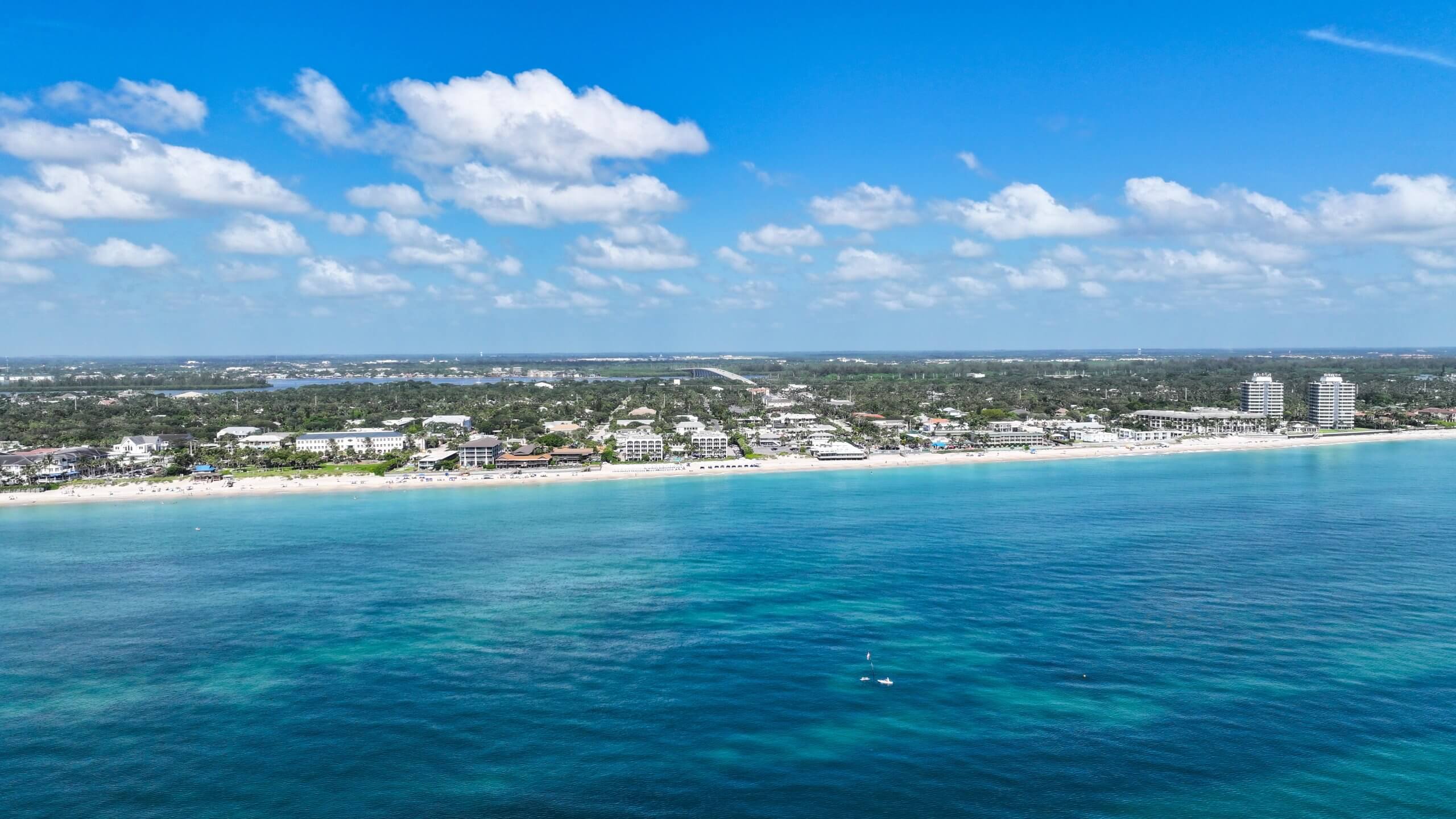
With more than 22 miles of protected coastline, Indian River County is more than a beach destination. It’s one of the most important sea turtle nesting habitats in the Atlantic. Each year, these shores become a sanctuary for loggerheads, greens, and leatherbacks returning to the very sands where their lives began. Whether it’s your first visit or your fiftieth, witnessing this season along our shores is an experience that stays with you long after you leave.
The Experience: What to Expect
Seeing a sea turtle in the wild is a quiet and unforgettable experience. Because sea turtles are federally protected, the only legal way to see them after dark during sea turtle nesting season is through an approved, guided program. These programs help protect the turtles while giving you a safe and respectful way to witness this incredible moment.
Guided Turtle Walks (June & July)
Picture a dark, quiet beach during sea turtle nesting season. The only sound is the steady rhythm of the Atlantic. Then, in the distance, a shadow moves. A sea turtle has come ashore.
On a guided walk with Coastal Connections or the Friends of Sebastian Inlet State Park, you wait as trained scouts confirm that a turtle has begun nesting. Once it’s time to step forward, everything feels still.
A 300-pound loggerhead slowly scoops a nest into the sand with powerful flippers. You may hear her steady breathing as she lays her eggs, a ritual that has taken place for millions of years. It’s a simple, powerful moment and one that stays with you long after sea turtle nesting season ends.
Turtle Digs & Hatchling Recoveries (August - October)
If you prefer a daytime adventure, Coastal Connections hosts public "turtle digs", which happen three days after a nest has hatched. During this dig, biologists excavate the site to count empty shells and collect vital data.
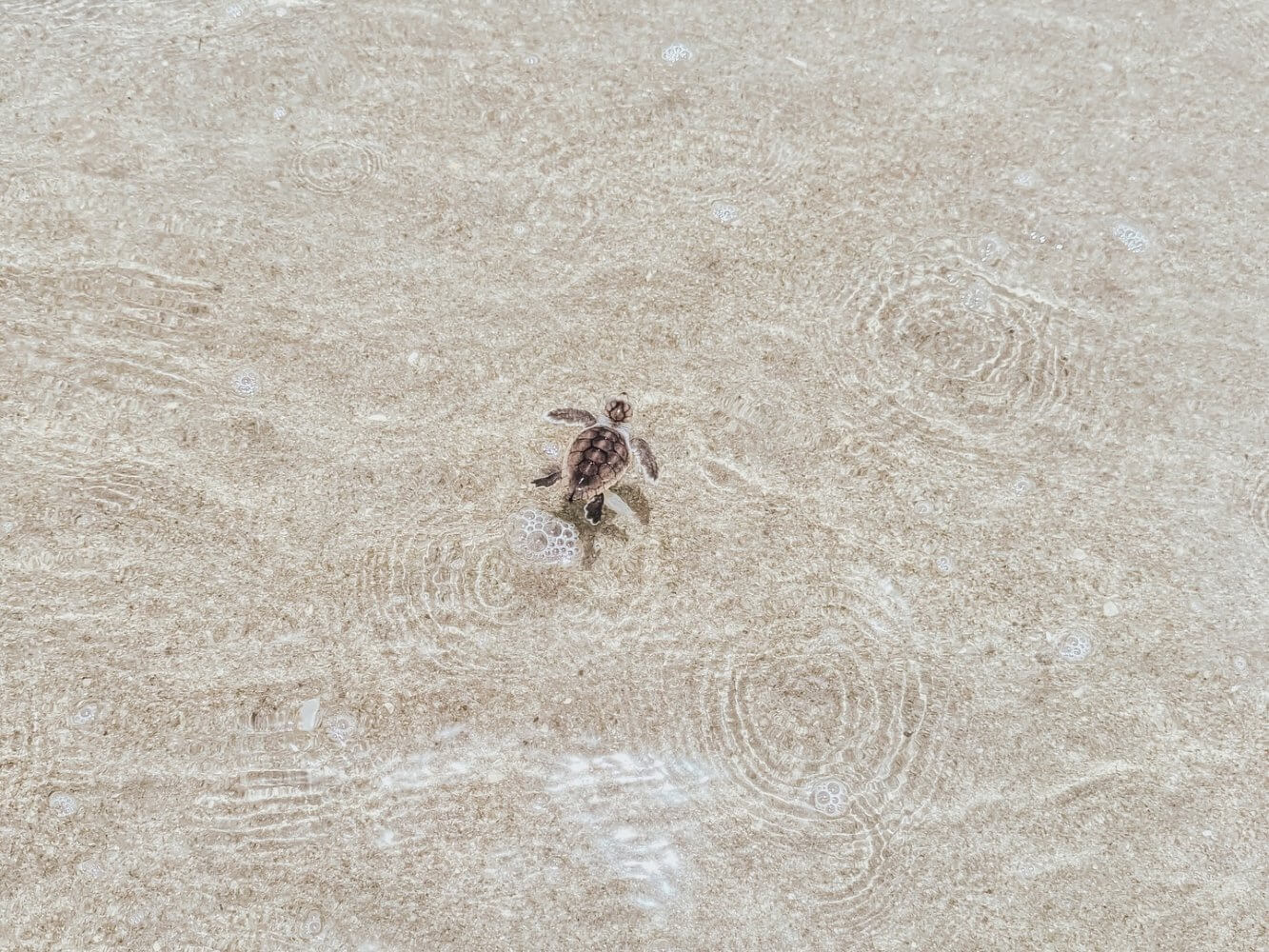
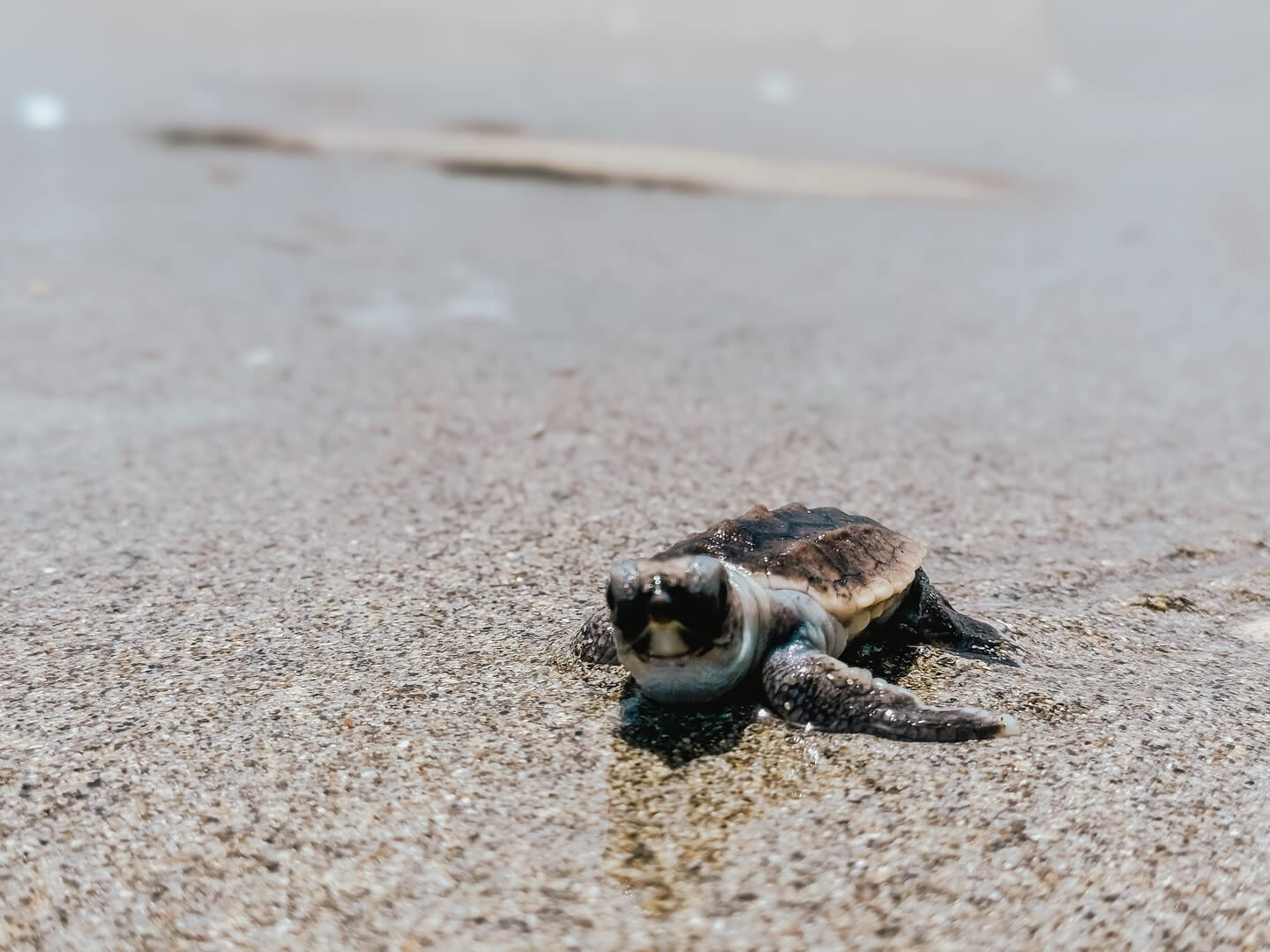
The highlight? Often, they find tiny, palm-sized hatchlings that didn't make it out with the rest of the brood. You'll get to witness these miniature explorers take their very first breaths of salt air before they are released to scramble toward the surf.
While nature follows its own schedule and there is never a guarantee a hatchling will be found in the excavation process, the adventure of learning the secrets of the nest every dig an unforgettable experience in its own right.
A Sanctuary of Global Importance
Our coastline isn't just a vacation spot; it's a nursery for three main species of Sea Turtles: the massive Leatherbacks, the classic Loggerheads, and the resilient Green Turtles.
- The record breakers: In recent seasons, Indian River County has seen a staggering increase in sea turtle nests along our beaches. In the most recent season we exceeded 11,000 total nests. While our Green Turtle population made up over 4,500 of those nests. If you want to see the breakdown, view the graphic at the bottom of the blog!
- The Archie Carr Connection: The northern stretch of our county, from the Sebastian inlet down to Wabasso Beach, falls within the Archie Carr National Wildlife Refuge. This specific 20-mile sanctuary, which spans both Brevard and Indian River Counties, is the most significant area for Loggerhead nesting in the Western Hemisphere!
How to Be a Turtle Hero
The success of sea turtle nesting season depends on our visitors and local residents. Sea turtles are incredibly sensitive to light and obstacles. You can help ensure their survival by keeping our beaches " Clean, Dark, and Flat".
- Lights Out: If you're staying in a beachfront hotel or rental, turn off balcony lights and close your curtains at night. Hatchlings follow the brightest light to find the ocean; artificial lights can lead them toward the road instead of the water.
- Flatten the Sand: A sandcastle is a fortress to a toddler, but it's an impassable mountain to a hatchling. Always fill in holes and level your sandcastles before you leave for the day.
- Clear the Way: Remove all beach chairs, umbrellas, and trash at the end of your day. A clear beach means a clear path for a nesting mother.
- If you would like to learn more about sustainable travel, click here!
2025 Nesting Recap
Sea turtle nesting season is an example of the wild beauty that makes Indian River County so special. By visiting responsibly and supporting our local conservation groups, you're helping ensure these ancient mariners return for generations to come.